
Concrete noise barrier fences have long been misunderstood. While some see them as stark or complicated, the truth reveals a different picture. Let’s cut through the myths and provide a practical, fact-based guide to installing a concrete noise barrier fence for a quieter, more secure property.
Debunking Common Myths About Concrete Noise Barrier Fences
Jumping to conclusions about concrete fences without the facts can lead to missed opportunities for peace and protection. It’s time to set the record straight.
Myth 1: Concrete Fences Are Noisy and Unattractive
A rumbling road or bustling neighborhood doesn’t have to invade your space. Concrete fences can reduce noise by up to 95 percent, transforming even the loudest yard into a peaceful retreat. The technology lies in the density and structure of the panels, which absorb and block sound far more effectively than wood or vinyl.
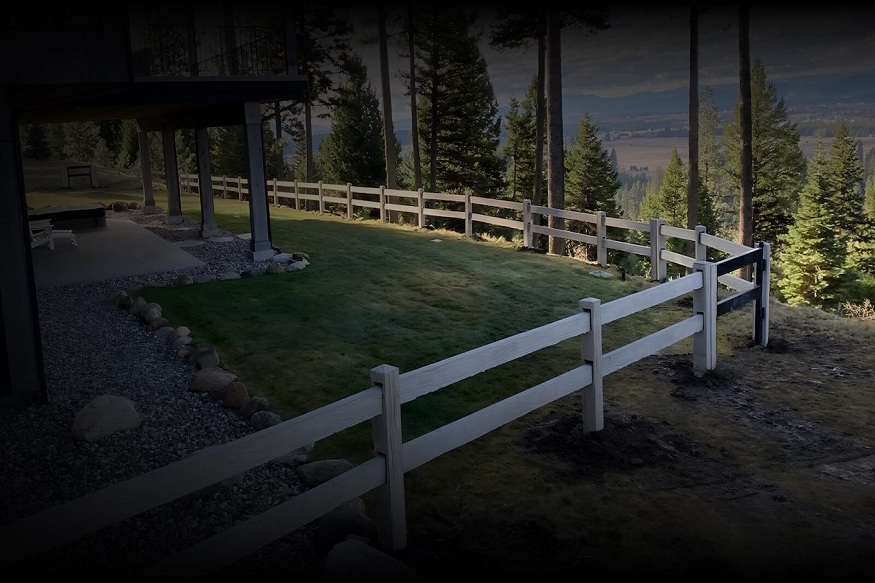
Gone are the days of featureless gray walls. Today’s concrete fences come in a range of designs, colors, and textures to complement any landscape. From warm earth tones to modern slate finishes, customization options help these barriers blend in or stand out, depending on your style.
Myth 2: Installation of Concrete Noise Barriers Is Complicated and Costly
Installing a concrete noise barrier is a project, but it doesn’t have to be daunting. The process breaks down into straightforward steps:
– Site Assessment and Measurement: Precise measurements are taken to ensure the fence fits the property’s unique contours.
– Permitting and Utility Checks: Local permits are secured, and underground utilities are located to avoid hazards.
– Foundation Preparation: A trench is dug, gravel is laid, and concrete footings are poured for stability.
– Panel and Post Installation: Concrete posts are anchored, and panels are set in place, often using proprietary molds that guarantee strength and aesthetics.
– Finishing Touches: Surfaces are cleaned, sealed, and painted or stained as desired.
Professional services handle headaches like permitting and utility coordination. Companies such as petrifiedfenceboise.com streamline the process, offering on-site estimates and managing the red tape so homeowners can focus on results.
Initial costs can be higher than wood or vinyl, but the savings surface over time. Reduced maintenance, longevity, and noise control mean concrete fences often pay for themselves in the long run.
Myth 3: Concrete Fences Are Fragile and Prone to Damage
A well-built concrete fence is a fortress against Idaho’s unpredictable weather. Engineered to withstand winds up to 115 mph, these barriers remain upright when others fail. Concrete never rots, warps, or sags, and its fire resistance adds another layer of security. Maintenance is minimal; occasional cleaning is typically all that’s required.
Myth 4: Concrete Noise Barriers Lack Customization
If a cookie-cutter look is your worry, rest easy. Modern concrete fences can be tinted, textured, and shaped to your specifications. Custom color options let you match or enhance your home’s palette. Prefer a combination of materials? Hybrid fences blend concrete strength with the warmth of wood or the industrial vibe of metal railings, expanding both design and functionality.
Myth 5: Concrete Fences Require Frequent Repairs
Frequent repairs are more myth than reality, especially with high-quality manufacturing and expert installation. Many providers offer a lifetime warranty, which speaks volumes about durability. For peace of mind, emergency repair services are available to address rare issues like storm damage within 24 hours for existing customers. Craftsmanship, proprietary blends, and rigorous quality control virtually eliminate the problems that plague lesser fences.
Myth 6: Concrete Fencing Is Environmentally Unfriendly
Sustainability takes center stage with locally manufactured, American-made materials. Durable construction means replacements are rare, reducing waste compared to short-lived wood or vinyl options. Long fence life cycles and efficient production practices keep environmental impact in check.
How to Ensure a Successful Concrete Noise Barrier Fence Installation
Preparation is key. Start with a thorough site assessment to identify slopes, edges, and underground utilities. Consult with fencing experts to select the right type and thickness for your noise reduction goals. Custom solutions, including hybrid and rail fence alternatives, can tailor performance and style to fit your property.
Working with local professionals brings added benefits: accurate on-site estimates, smooth permitting, and the confidence that the finished fence will meet the strictest quality standards.
Conclusion: The Truth About Concrete Noise Barrier Fences and Why They’re Worth It
Concrete noise barrier fences offer a blend of serenity, security, and savings that outlasts the competition. By dispelling common myths and understanding the step-by-step installation, property owners can invest in a solution that enhances both value and livability. Relying on trusted experts like petrifiedfenceboise.com ensures the process is hassle-free from start to finish. For those who crave peace, privacy, and lasting protection, concrete fences deliver on every promise.