
Cold weather can create significant challenges for residential and commercial plumbing systems. One of the most common issues is frozen pipes, which occur when water inside the pipes freezes and expands. As the ice grows, it creates pressure against the pipe walls. If that pressure becomes too great, the pipe may crack or burst, leading to expensive water damage, interrupted water service, and extensive repairs.
Many homeowners focus only on fixing a burst pipe after it happens, but the smarter approach is to identify and address frozen pipes before they fail. Early frozen pipe repair solutions reduce risks, protect property, and help maintain a reliable plumbing system throughout the colder months.
Recognizing The Early Warning Signs
Frozen pipes rarely burst without warning. In many cases, there are noticeable signs that indicate a developing problem. Reduced water pressure is one of the first indicators that ice may be restricting water flow inside a pipe. Frost forming on exposed plumbing, unusual noises when faucets are turned on, or sections of pipe that feel unusually cold can also point to freezing conditions.
Read More: The Impact of Hard Water on Your Plumbing System
Ignoring these early symptoms allows pressure to continue building inside the pipe. Acting quickly when these warning signs appear gives plumbing professionals the opportunity to restore normal water flow before permanent damage occurs.
Why Immediate Action Makes A Difference?
When a frozen pipe is identified early, the repair process is often much simpler than dealing with a burst pipe. Professional plumbers use safe methods to thaw frozen sections without damaging the plumbing system. They also inspect the affected area for small cracks, weakened joints, or other vulnerabilities that may have developed during the freezing process.
Early action not only avoids pipe failure, but it also decreases the possibility of emergency plumbing problems necessitating expensive restoration work. Quick repairs help homeowners avoid damaged flooring, soaked drywall, ruined insulation, and mold growth caused by unexpected leaks.
The Importance Of Professional Inspection
While some frozen pipes are easy to locate, others may be hidden behind walls, beneath floors, or inside crawl spaces. Professional inspections allow plumbers to identify vulnerable areas that homeowners may never notice.
Experienced technicians evaluate pipe insulation, water pressure, pipe materials, and the overall condition of the plumbing system. They can recommend targeted repairs or improvements that strengthen the system before severe winter weather creates larger problems.
Professional inspections also provide peace of mind by confirming that no hidden damage remains after a pipe has frozen.
Long-Term Prevention Starts With Proper Repairs
Repairing a frozen pipe involves more than simply restoring water flow. Lasting protection comes from correcting the conditions that caused freezing in the first place. Poor insulation, exposed outdoor plumbing, gaps around walls, and inadequate heating are common factors that increase the risk of frozen pipes.
Addressing these issues during repairs creates a more dependable plumbing system for future winters. Upgrading insulation, sealing air leaks, relocating vulnerable pipes when possible, and maintaining consistent indoor temperatures all contribute to better long-term protection.
Reducing The Risk Of Expensive Water Damage
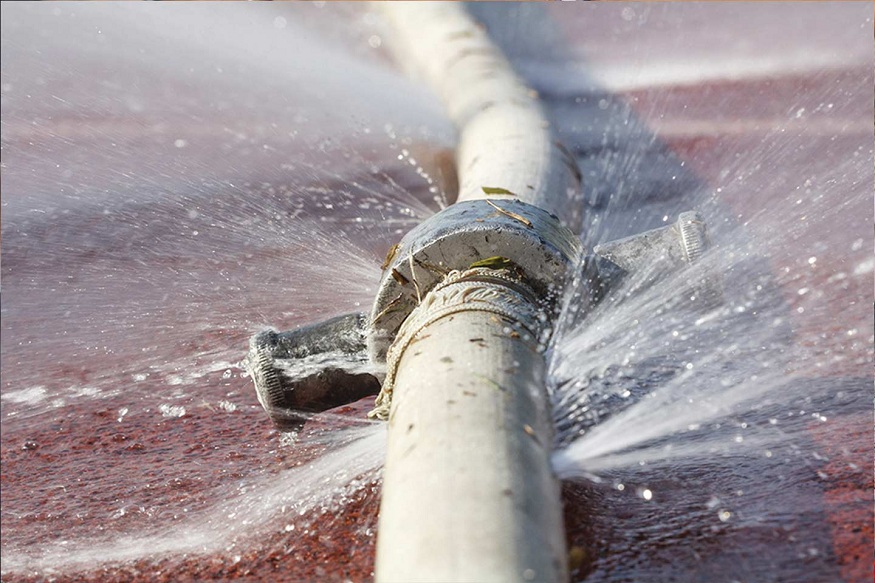
A burst pipe may quickly flood a house with hundreds of gallons of water. Water quickly spreads through walls, ceilings, flooring, furniture, and personal belongings. Beyond the immediate cleanup, homeowners often face repairs involving structural materials, electrical systems, and mold remediation.
Early frozen pipe repair solutions significantly reduce these risks by preventing the burst from occurring altogether. Investing in preventative repairs is generally far less expensive than recovering from extensive water damage after a pipe fails.
Seasonal Maintenance Supports Reliable Plumbing
Routine plumbing maintenance plays an important role in preventing frozen pipes year after year. Before winter arrives, homeowners should schedule inspections, disconnect outdoor hoses, protect exposed pipes with insulation, and ensure heating systems are functioning properly.
During periods of extreme cold, allowing faucets to drip slightly and keeping cabinet doors open beneath sinks located on exterior walls can help maintain warmer temperatures around plumbing lines. These simple practices, combined with professional maintenance, create multiple layers of protection against freezing conditions.
Regular maintenance also allows small plumbing issues to be corrected before they develop into larger and more expensive repairs.
Conclusion
Frozen pipes should never be viewed as a minor inconvenience. They represent an early stage of a problem that can quickly escalate into burst pipes, major water damage, and costly restoration projects. Recognizing warning signs, arranging prompt professional repairs, and investing in preventative maintenance all help protect homes from unnecessary plumbing emergencies.
Read More: Understanding the Causes of Refrigerant Leaks in Your Home AC System
Taking action before a frozen pipe bursts is one of the most effective ways to preserve the integrity of a plumbing system while avoiding the stress and expense associated with emergency water damage. With early repair solutions and consistent seasonal maintenance, homeowners can enjoy greater confidence that their plumbing will continue operating safely even during the coldest weather.